What is Genetic Pre-Implantation Genetic
Diagnosis (PGD)?
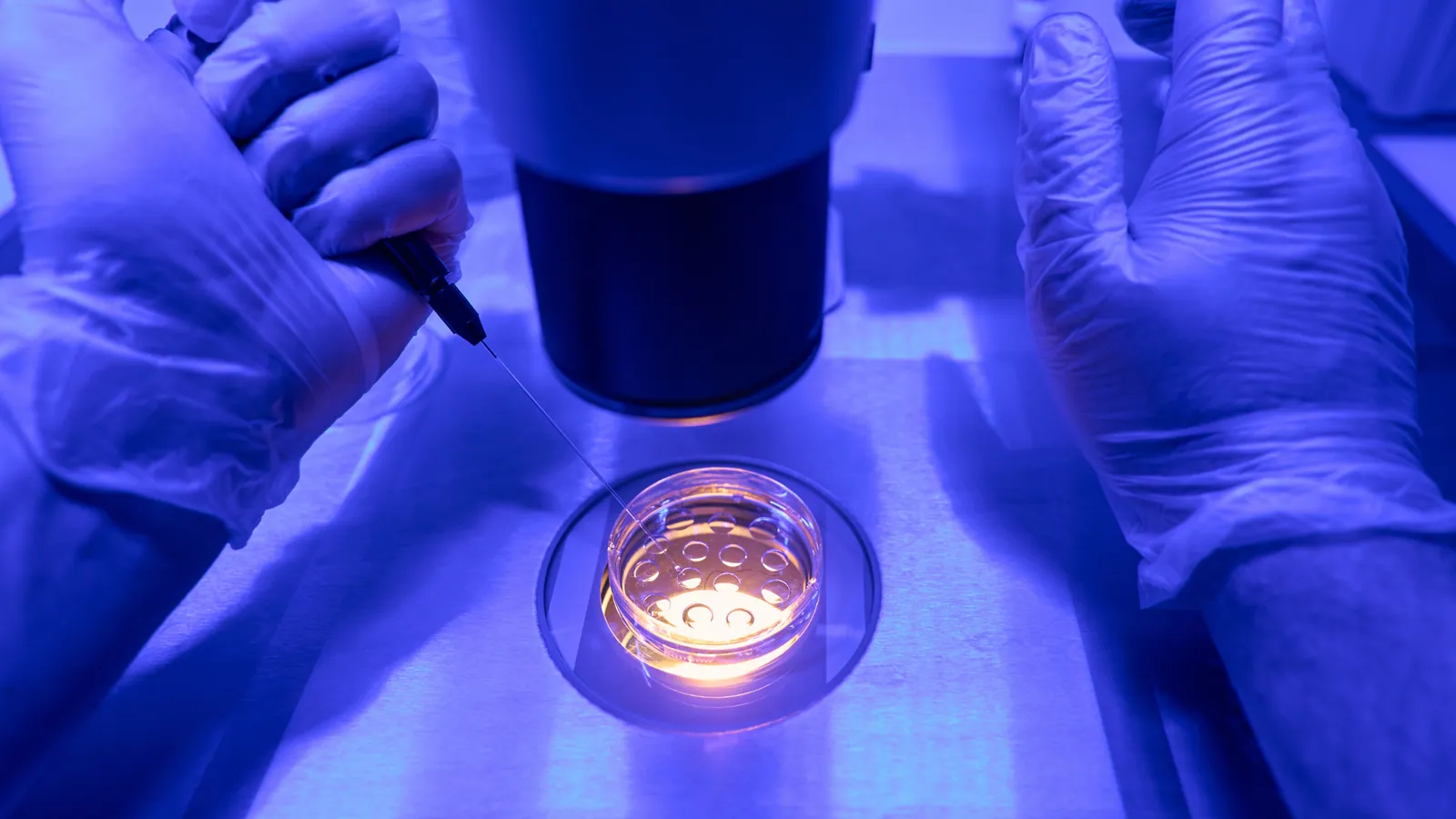
Pre-Implantation Genetic Diagnosis (PGD) is an analysis performed as part of IVF programs
before transferring embryos into the uterine cavity. This is a highly accurate study that allows for the identification of hereditary deviations and pathologies. Due to PGD analysis, it is possible to select the most viable and healthy embryos, which reduces the probability of having children with congenital anomalies and hereditary diseases.
Furthermore, PGD of the embryo during IVF makes it possible to minimize the risks of
miscarriages. This analysis is considered one of the most sought-after methods in reproductive medicine.
Types of PGD
There are three types of PGD:
• PGT-A (Pre-implantation Genetic Testing for Aneuploidy)
• PGT-SR (Pre-implantation Genetic Testing for Structural Rearrangements)
• PGT-M (Pre-implantation Genetic Testing for Monogenic/Single Gene Defects)
PGT-A
PGT-A screening is conducted to diagnose embryos for the presence or absence of chromosomal anomalies. The most common pathology is trisomy (e.g., Down syndrome). Defects in the structure or number of chromosomes cause the development of severe defects and congenital anomalies, including changes in facial features or typical body constitution.
PGT-SR
PGT-SR screening is carried out to identify structural chromosomal rearrangements. These are
the cause of various mutations, which can result in the birth of an affected child. This analysis is often performed for couples who are carriers of balanced translocations.
PGT-M
PGT-M screening is performed to identify the risks of developing monogenic (single-gene)
diseases. These are pathologies caused by mutations in only one gene. Such diseases include
cystic fibrosis, Fanconi anemia, sensorineural hearing loss, and a number of other conditions. As a rule, these diseases are either incurable or only partially correctable. Carriers of these genetic mutations often transmit monogenic diseases to their children and, consequently, to subsequent generations.
Indications for PGD
Recurrent Pregnancy Loss (RPL)
A history of recurrent non-viability at various stages
of gestation, including spontaneous miscarriages.
Male Factor Infertility
Inability to achieve natural conception due to impaired spermatogenesis or other pathologies, including cases of unexplained infertility.
Advanced Maternal Age
The woman's age is over 35 years. Patients in advanced
reproductive age face an increased risk of unsuccessful IVF cycles.
Previous IVF Failures
Unsuccessful implantation or embryogenesis arrest in past IVF protocols, despite meticulous embryo selection.
Severe Hereditary Diseases
Known severe hereditary conditions that are transmitted from generation to generation within the family.
Chromosomal Anomalies in Partners/Family
The presence of chromosomal abnormalities in one of the partners or in immediate family members. Anomalies may manifest across generations, placing individuals at risk even if genetic irregularities occurred in distant relatives (grandparents, great-grandparents).