What is Laparoscopy?
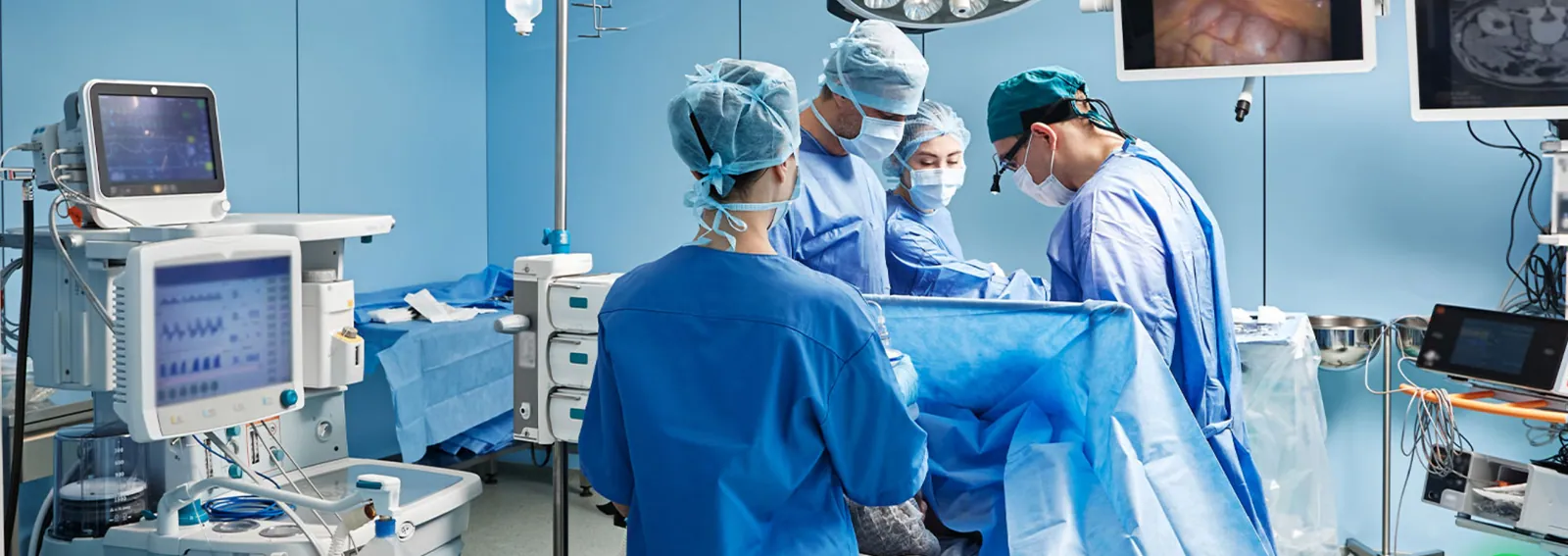
Laparoscopy is a minimally invasive procedure that involves making the tiniest incisions feasible and inserting a hollow telescopic device (laparoscope) into the patient’s belly. In order to enable the doctor to see through the internal organs and identify any harmful changes in them, this instrument has a tiny camera.
Why is Laparoscopy Performed?
Numerous fertility-related conditions, including endometriosis, pelvic inflammatory disease (PID), fibroids, ovarian cysts, scar tissue, and adhesions, are commonly diagnosed and treated by laparoscopy. Your doctor can gather important data with this minimally invasive method to assess the condition of your reproductive organs and create a treatment plan if necessary.
Treating Fertility Problems
Although cystic tumors are diagnosed, some of the abnormalities may also be treated by laparoscopy. It would be able to treat endometriosis, fibroids, or other pathologies in the same treatment, or to improve the likelihood of a successful pregnancy, if the specialists found them.
The Laparoscopy Procedure
The laparoscopy procedure typically follows these steps:
1. Anesthesia
General anesthesia will be used to completely numb you for the procedure.
2. Incisions
In your abdomen, your doctor will make one or more relatively superficial cuts, most commonly in the navel region.
3. Insertion of the Laparoscope
Following the insertion of the laparoscope through one of the incisions, the doctor can view the abdominal viscera on a video monitor.
4. Examination of the Pelvic Organs
Your surgeon will look for anomalies or disease during a laparoscopic examination of your ovaries, fallopian tubes, uterus, and pelvic wall.
Conditions Diagnosed and Treated with Laparoscopy
Endometriosis
The disorder known as endometriosis occurs when the endometrium, the natural lining of the uterus’s internal space, develops outside of the uterus, frequently in the fallopian tubes, ovaries, and other pelvic structures. Laparoscopy is recommended for the diagnosis and treatment of endometriosis.
Pelvic Inflammatory Disease (PID)
Sexually transmitted pathogenic germs are the primary cause of pelvic inflammatory disease (PID), an infection of the female organs. Laparoscopy can be used to determine the extent of infection and improve treatment.
Fibroids
Fibroids are non-cancerous, in-vivo uterine wall lesions. Sometimes a decreased fertility rate is seen along with these lesions, which can be identified and removed laparoscopically.
Ovarian Cysts
Ovarian cysts contain material that is either inside or on the ovary. Cysts can be examined and, if necessary, removed via laparoscopy.
Benefits of Laparoscopy
Minimal Invasive Procedure
Laparoscopy is a procedure where a relatively small number of extremely small incisions are performed as opposed to a single incision with a big diameter or even an open incision. It speeds up healing and reduces tissue necrosis.
Shorter Recovery Time
Considering that laparoscopy is a less invasive procedure than traditional open surgery, recuperation time is typically significantly reduced. Anesthesia is a more effective way to relieve pain so that patients can return to their regular lives sooner.
Less Pain
When opposed to open surgery, minimally invasive surgery (laparoscopic) that involves tiny incisions in the arms generally results in less post-operative pain.
Reduced Risk of Infection
Laparoscopy’s minimally invasive technique allows for extremely tiny incisions, which lowers the risk of infection and prevents post-operative problems.
Risks and Complications
As with any procedure, laparoscopy is an operation with attendant complication and risk, i.e.
Infection
Infection risk is minimal at the pelvic and incision sites. Your doctor takes these efforts to reduce risk and keep a careful eye on you for the beginning of infection throughout the post-discharge recovery period.
Adverse Reactions to Anesthesia
There is a chance of anesthesia problems or drug toxicity, just like with any general anesthetic.
Injury to Internal Organs
Sometimes underlying structures can be unintentionally injured by a laparoscope or any other instrument utilized within the body during the treatment.
Bleeding
Although it is rare, unexpected internal hemorrhage might happen during or after the procedure.
Preparing for Laparoscopy
Pre-Operative Instructions
The day before your laparoscopy, your surgeon will go over all of the preparations you need to make, including fasting, changing or stopping your medication, and taking care of the anesthetist.
Post-Operative Care
You will receive post-procedure instructions on wound and pain management, recovery expectations, etc. While most patients may return to their regular activities within a week or two, each patient may require a varied amount of time to fully heal.
In Summary
Laparoscopy is a useful tool for both diagnosis and treatment of infertility disorders. In addition to restoring normal physiology and, for the most part, avoiding potential limiting factors to conception, your surgeon will be able to gather crucial information regarding the condition of your gametogenic tissues through this very minimally intrusive technique. If the reader has any questions about laparoscopy or is experiencing infertility, we encourage them to get in touch with us to schedule a consultation with our skilled team of reproductive endocrinologists.
Hysteroscopy
Hysteroscopy is one of the most modern diagnostic methods in gynecology that allows for a
visual assessment of the patient's uterine cavity.
Performing a hysteroscopy before IVF can reveal a hidden disease that may contribute to an
incorrect and unsafe pregnancy course. By using the hysteroscopy method before IVF, the
doctor aims to prepare the endometrium for the most successful in vitro fertilization.
Why Is Hysteroscopy Performed?
* Several previous unsuccessful IVF attempts
* Recurrent miscarriage
* Unexplained infertility
* Investigation and removal of polyps or myomas
* Treatment of intrauterine adhesions (Asherman's syndrome)
* Recurrent uterine bleeding
How Is a Hysteroscopy Performed?
A doctor inserts the hysteroscope through the cervical canal into the uterus. Then our specialist systematically examines all the features of the uterine cavity and assesses the condition of the mucous membrane. Thanks to the high magnification on the monitor screen,
all the details are clearly visible. If necessary, video or photo documentation can be made.
In the event that a pathology is discovered during the examination (for example, a polyp or a septum), it can be corrected immediately. To do this, the necessary instruments are introduced
into the uterus.
The Importance of Hysteroscopy
Simultaneous diagnostic and surgical intervention spares the patient from unnecessary stress
caused by repeated procedures. This diagnostic method allows the treating doctor to accurately determine the diagnosis and prescribe effective treatment, which will positively
influence the outcome of the IVF cycle.