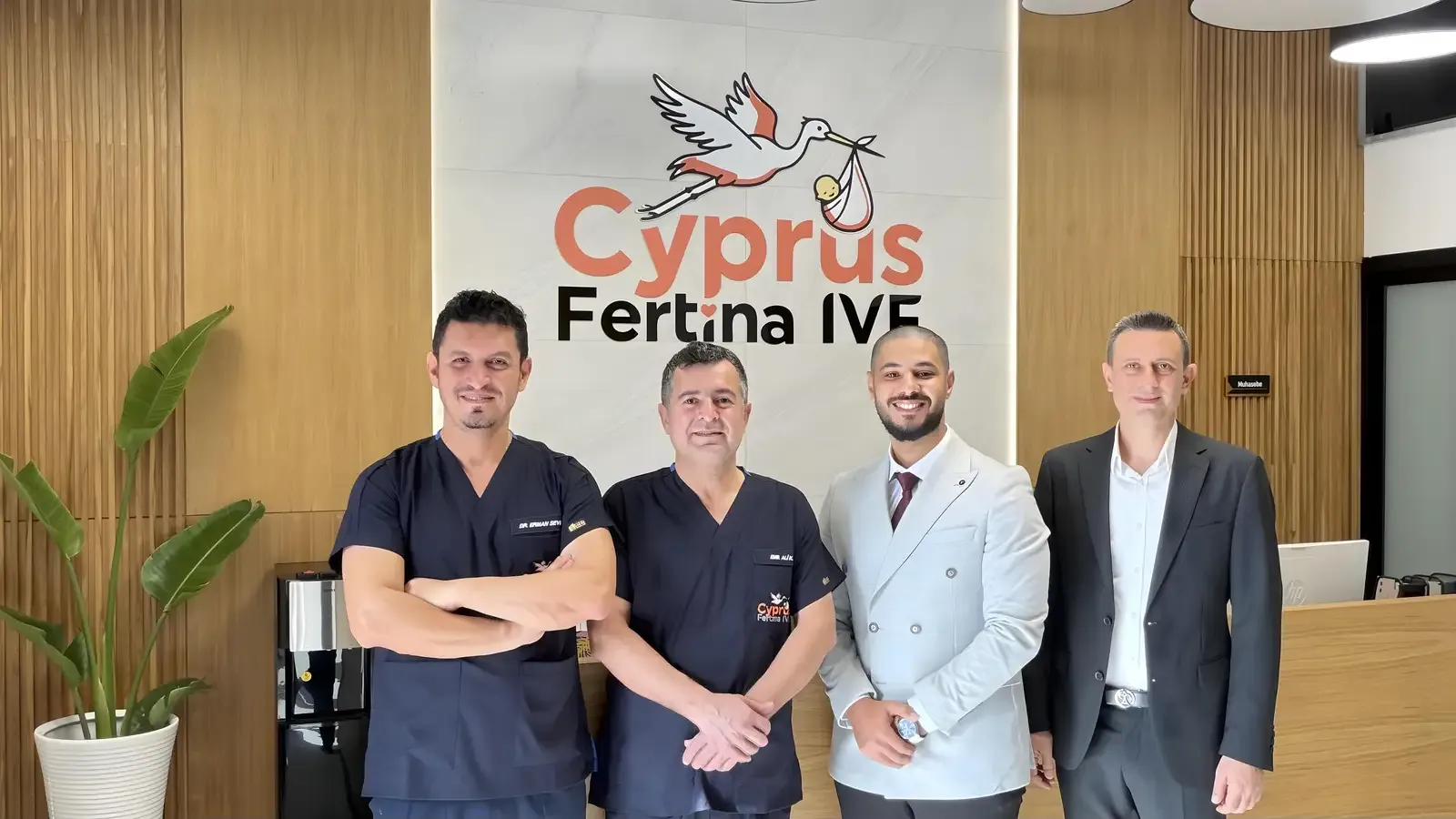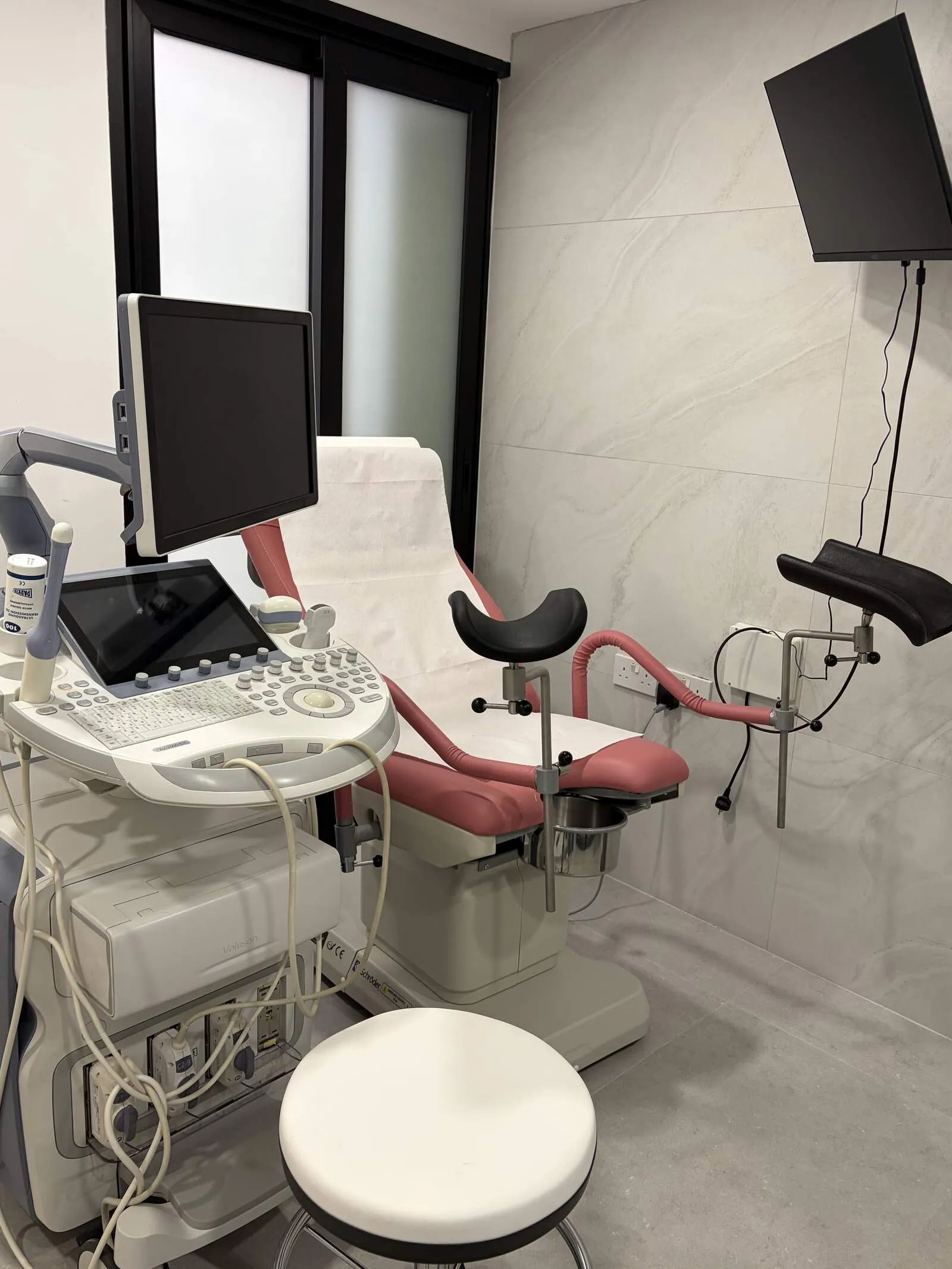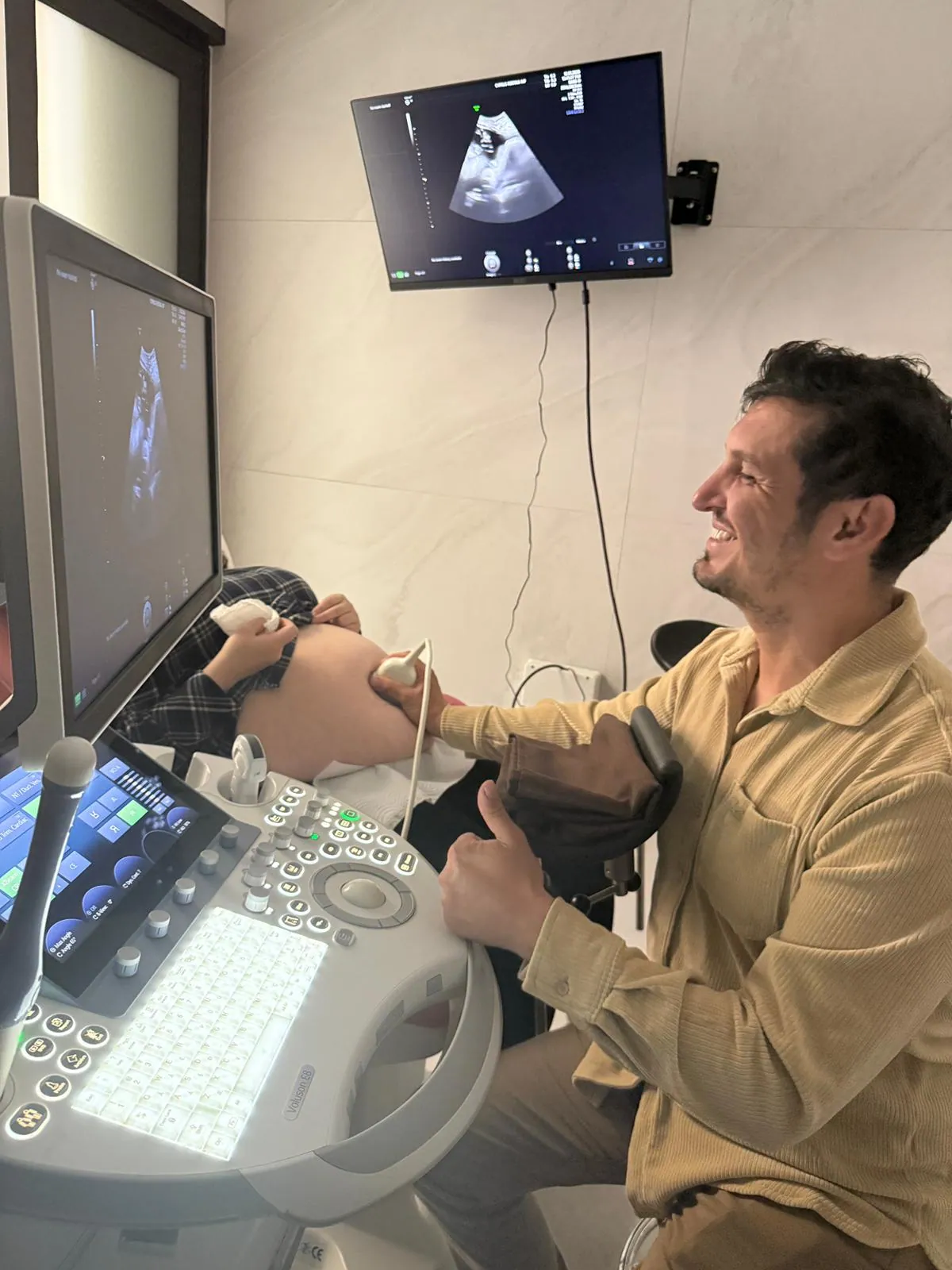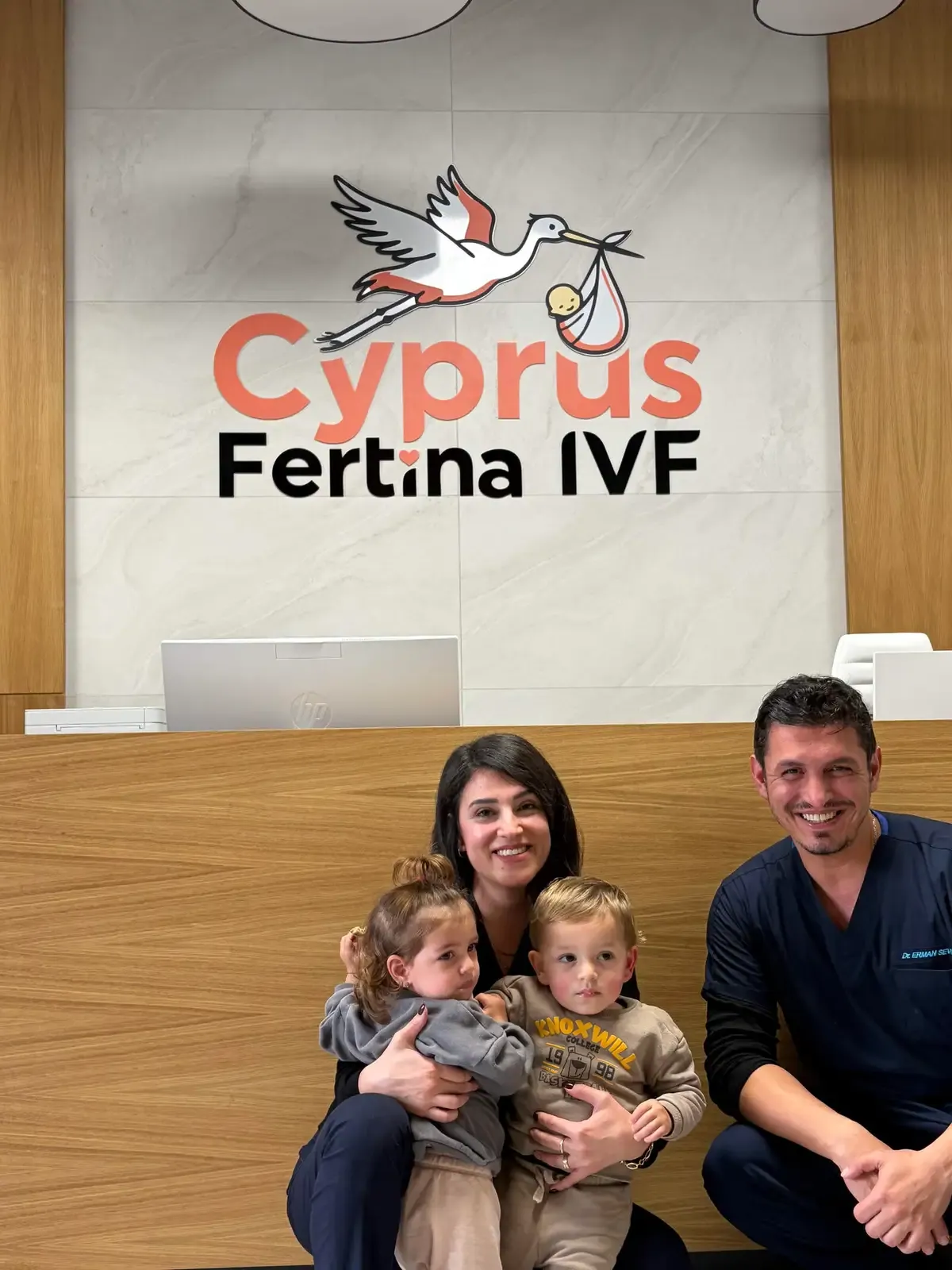
Your Journey to Parenthood Is in Safe Hands with Fertina IVF
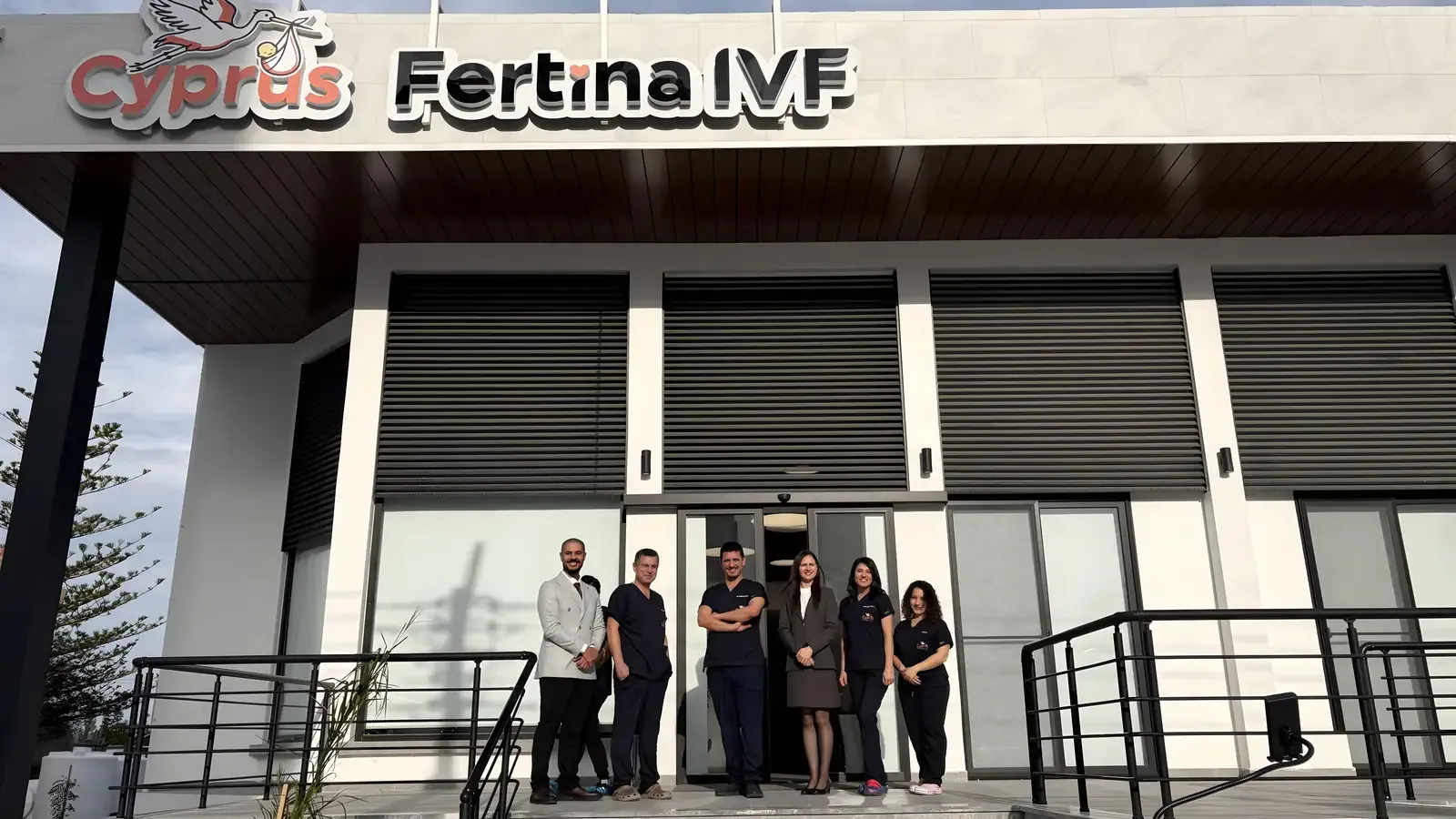
The dream of becoming a parent can sometimes be a longer and more challenging journey than expected. However, thanks to scientific medical advancements, many couples today can easily turn this dream into reality through assisted reproductive technologies. At Fertina IVF, in our modern clinic in Cyprus, we professionally support your hopes with IVF (ICSI) treatments.
What Is IVF? (In Vitro Fertilization)
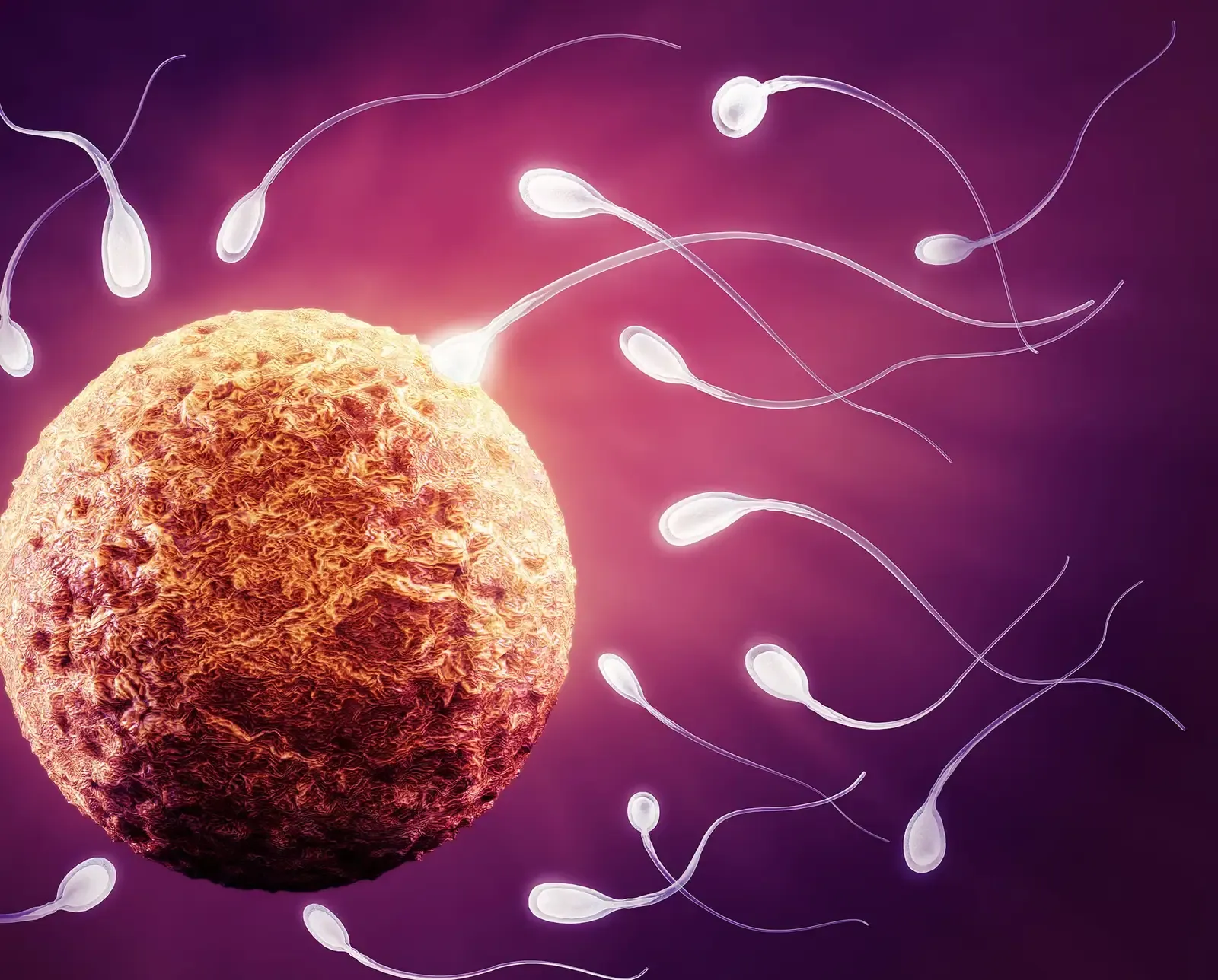
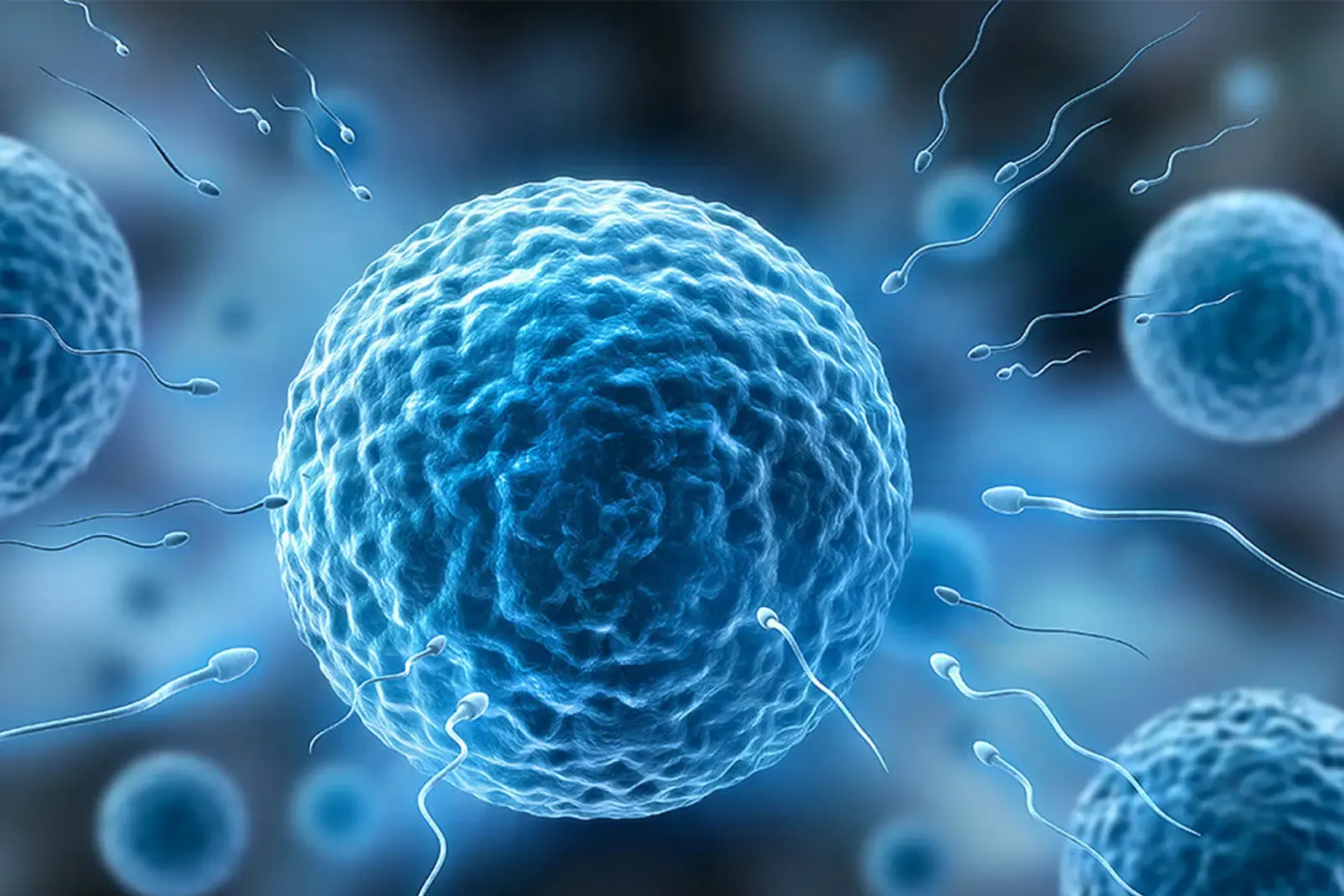
IVF, or in vitro fertilization, literally means fertilization outside the body, in a laboratory setting. In practice, it is a treatment in which eggs collected from the woman are fertilized with sperm in the lab, and the resulting embryo is transferred into the uterus. This method is safely applied in cases where pregnancy cannot be achieved naturally or when there is a risk of genetic disorders.
Stages of IVF Treatment:
1. Ovarian stimulation
Daily, painless subcutaneous hormone injections are administered to support egg development.
2. Egg retrieval (OPU)
Under light anesthesia (sedation), eggs are collected in a short 10–15 minute procedure.
3. Fertilization
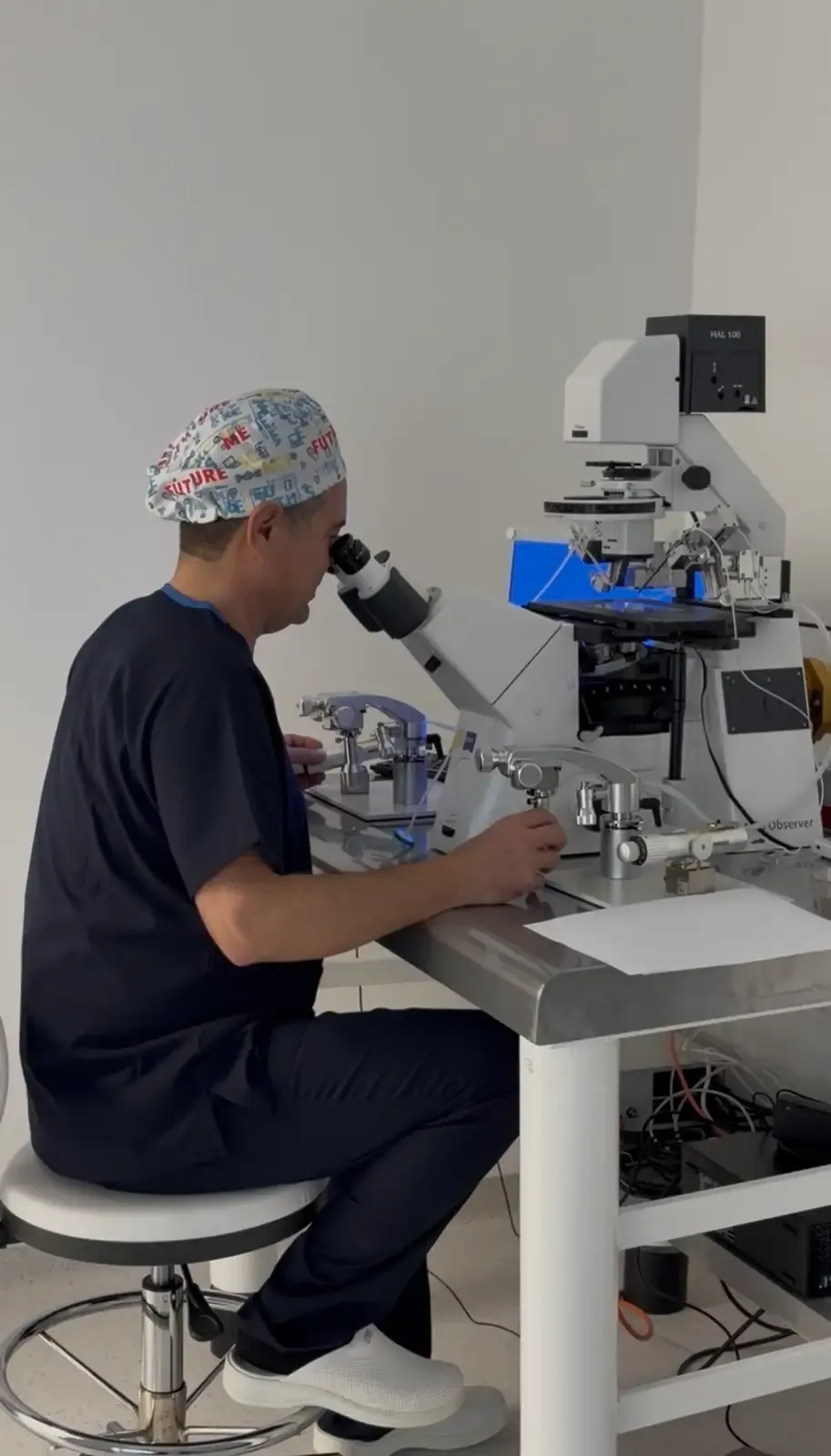
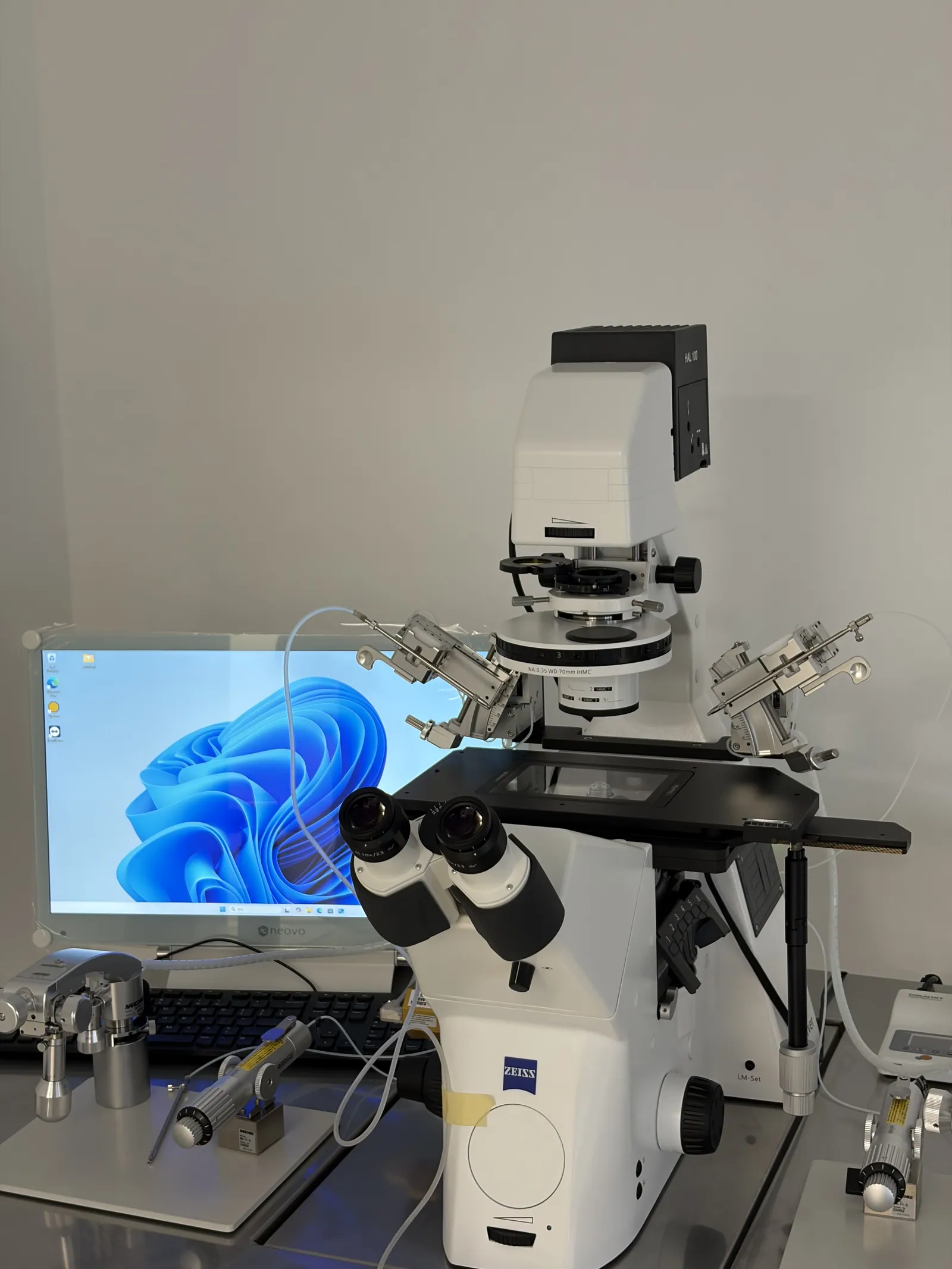
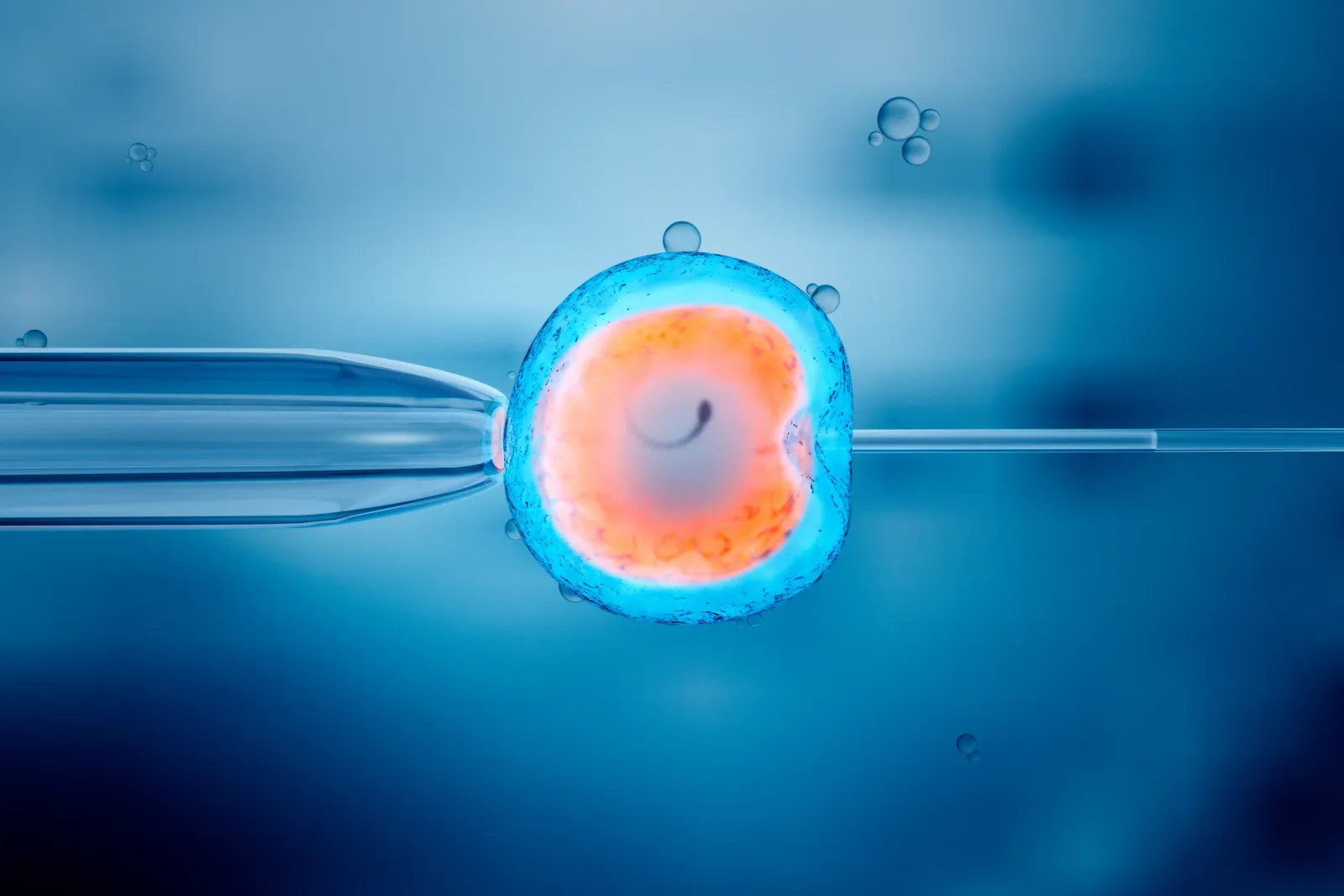
Sperm cells are injected directly into the eggs using the ICSI technique under laboratory conditions.
4. Embryo monitoring and selection
Embryos are observed until day 5, and the best quality ones are selected.
5. Embryo transfer
A simple, painless procedure in which embryos are placed into the uterus.
6. Pregnancy test
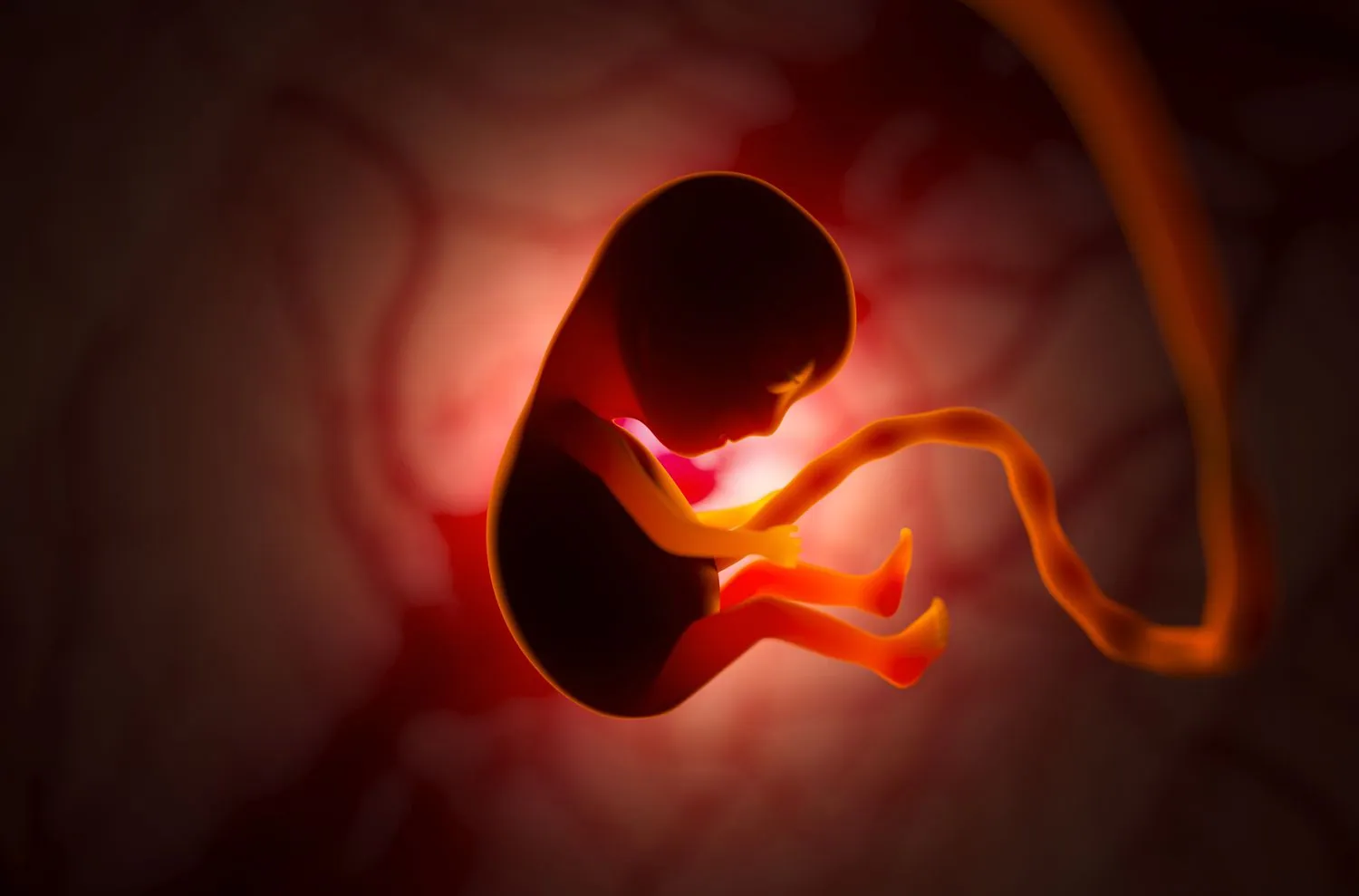
About 12 days after transfer, pregnancy is confirmed through a blood test.
What Is ICSI? (Intracytoplasmic Sperm Injection)
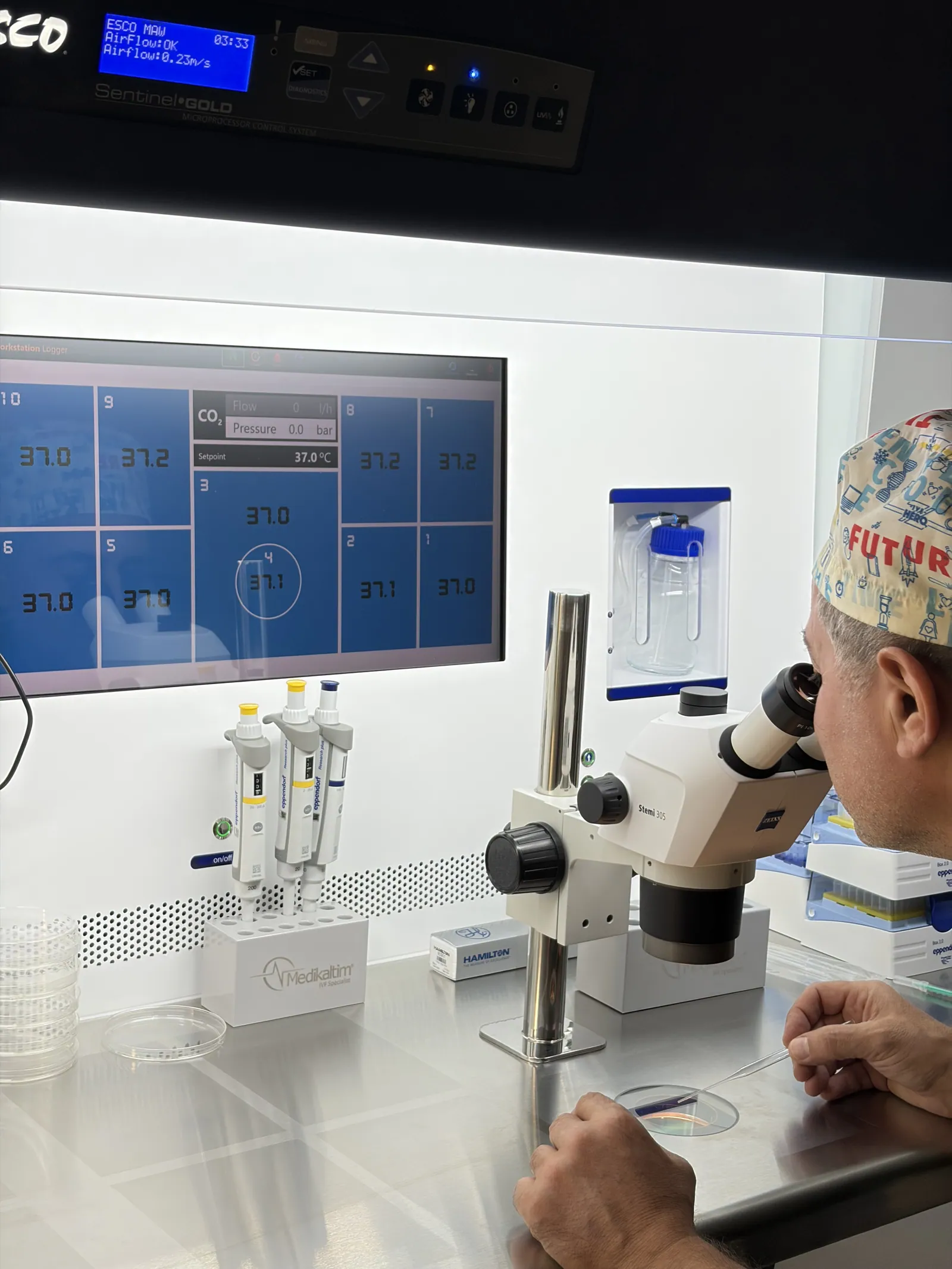
ICSI is a more advanced and precise form of IVF. Previously, it was used mainly in cases of low sperm count or poor sperm motility, but today, due to its high success rates, it is routinely applied to all patients at our clinic. In this method, a single sperm is directly injected into the egg under a microscope.
Advantages of ICSI
- High success rates in cases of male infertility
- Applicable even when sperm count is extremely low
- Ideal for couples with previous fertilization failures
When Is IVF/ICSI Recommended?
IVF (ICSI) is recommended when intrauterine insemination (IUI) or medication treatments are unsuccessful. It may also be the first option in cases of advanced maternal age, male infertility, or genetic risks.
Factors Affecting IVF Success
Success rates vary for each couple. At Fertina IVF, we carefully evaluate all factors to maximize outcomes.
1. Maternal Age
- Higher success in women under 35
- Egg quality and quantity decrease with age
- Alternative options like egg donation, mitochondrial transfer, and exosome transfer may be offered
2. Egg & Sperm Quality
- Embryo quality depends on healthy eggs and sperm
- At our clinic, sperm selection (swim-up technique) is routinely applied before ICSI
3. Uterine & Tubal Health
- Proper uterine lining is essential for implantation
- Conditions like fibroids, polyps, or adhesions are treated before IVF
- HSG and hysteroscopy are performed when needed
4. Embryo Quality & Transfer
- Day 5 (blastocyst) transfers yield higher success rates
- Advanced genetic testing (PGD, NGS, single-gene analysis) can be performed if needed
5. Lifestyle & General Health
- Smoking, alcohol, obesity, and poor sleep negatively impact fertility
- Healthy habits improve treatment outcomes
6. Personalized Treatment Protocols
- Tailored according to hormonal profile and ovarian reserve
7. Clinic & Expertise
- Experience, laboratory infrastructure, and precise patient monitoring are critical
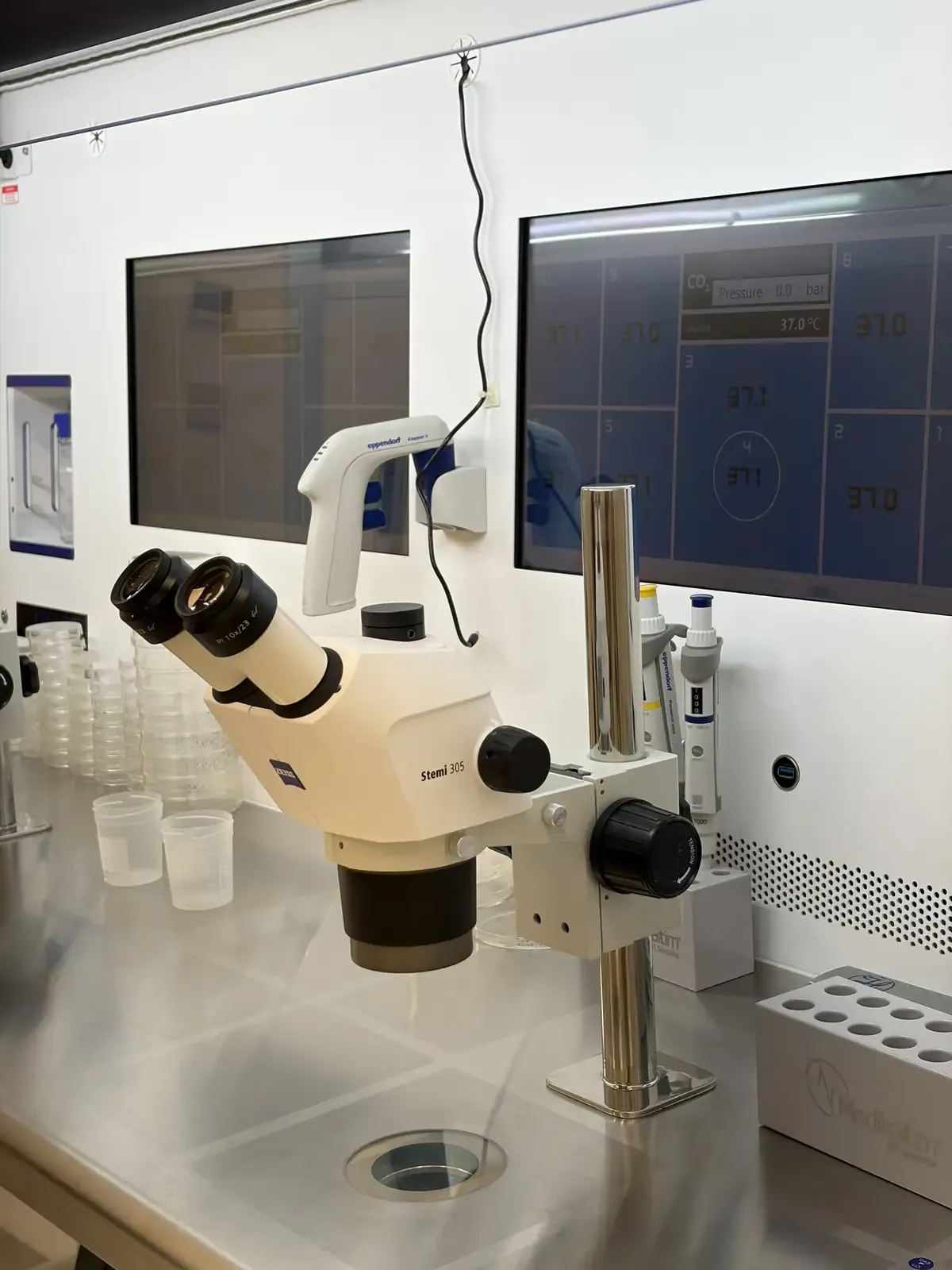
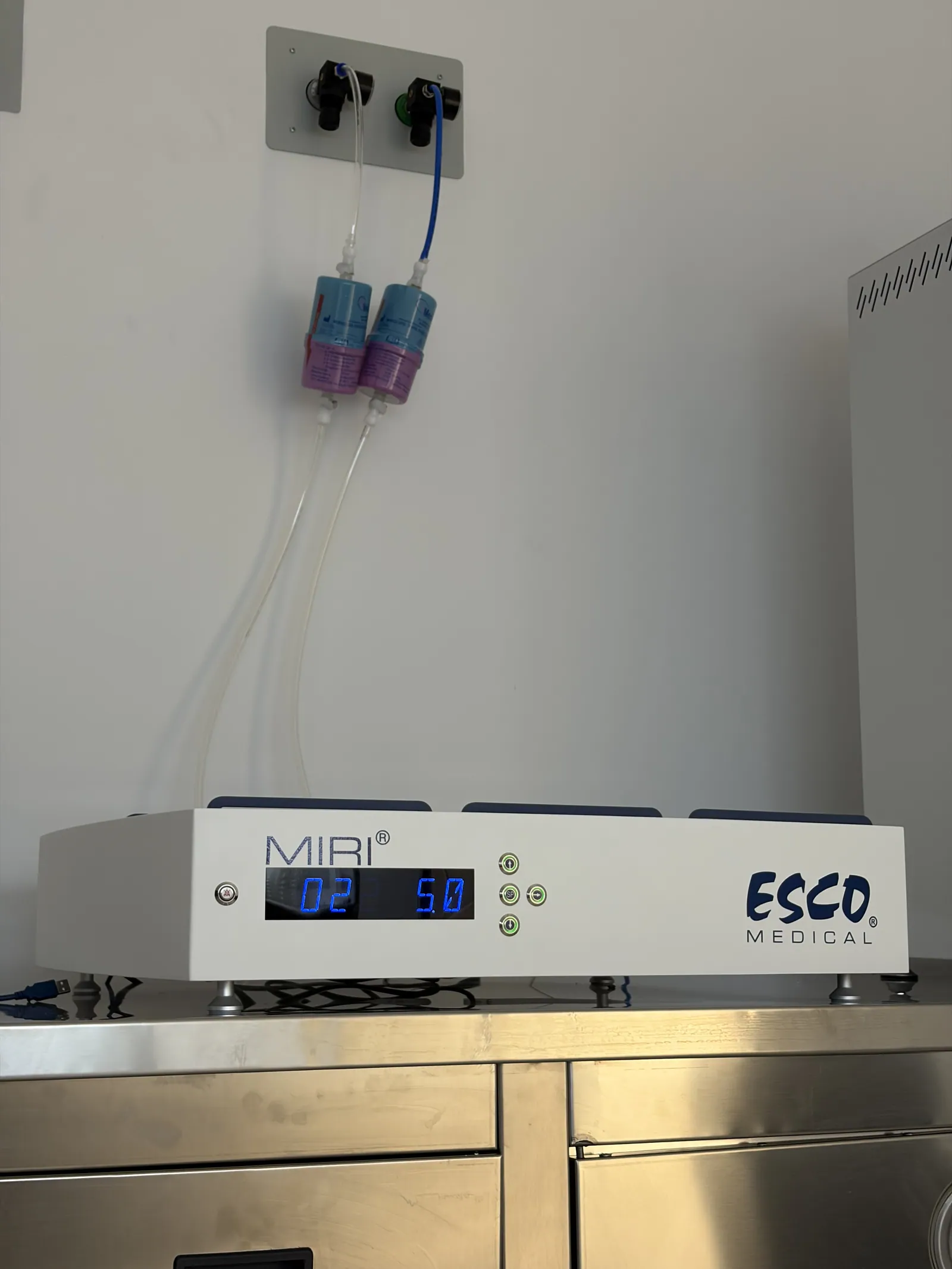
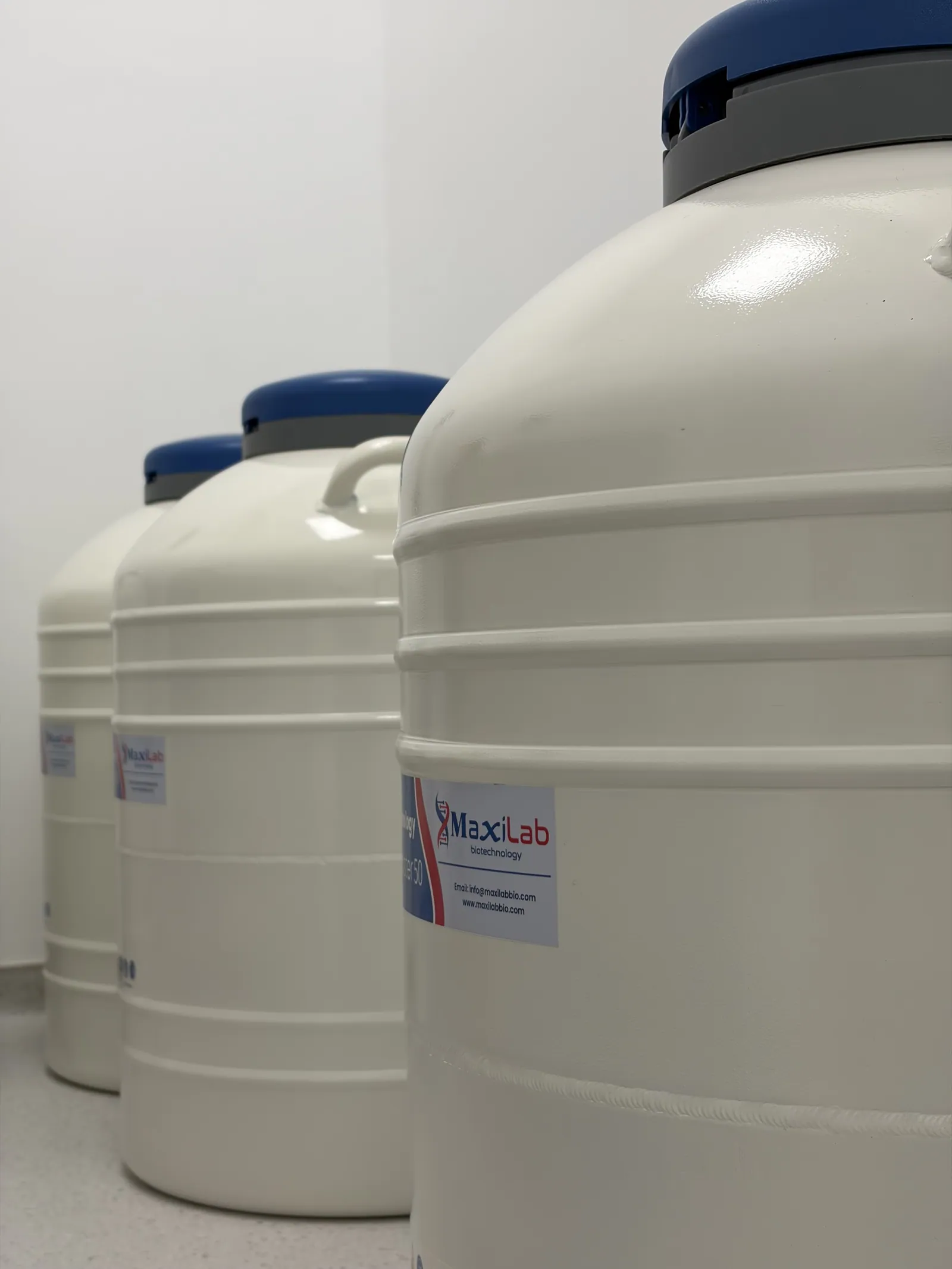
- At Fertina IVF, our medical team and embryologists apply the latest scientific methods with state-of-the-art IVF technologies