What is Next-Generation Sequencing (NGS)?
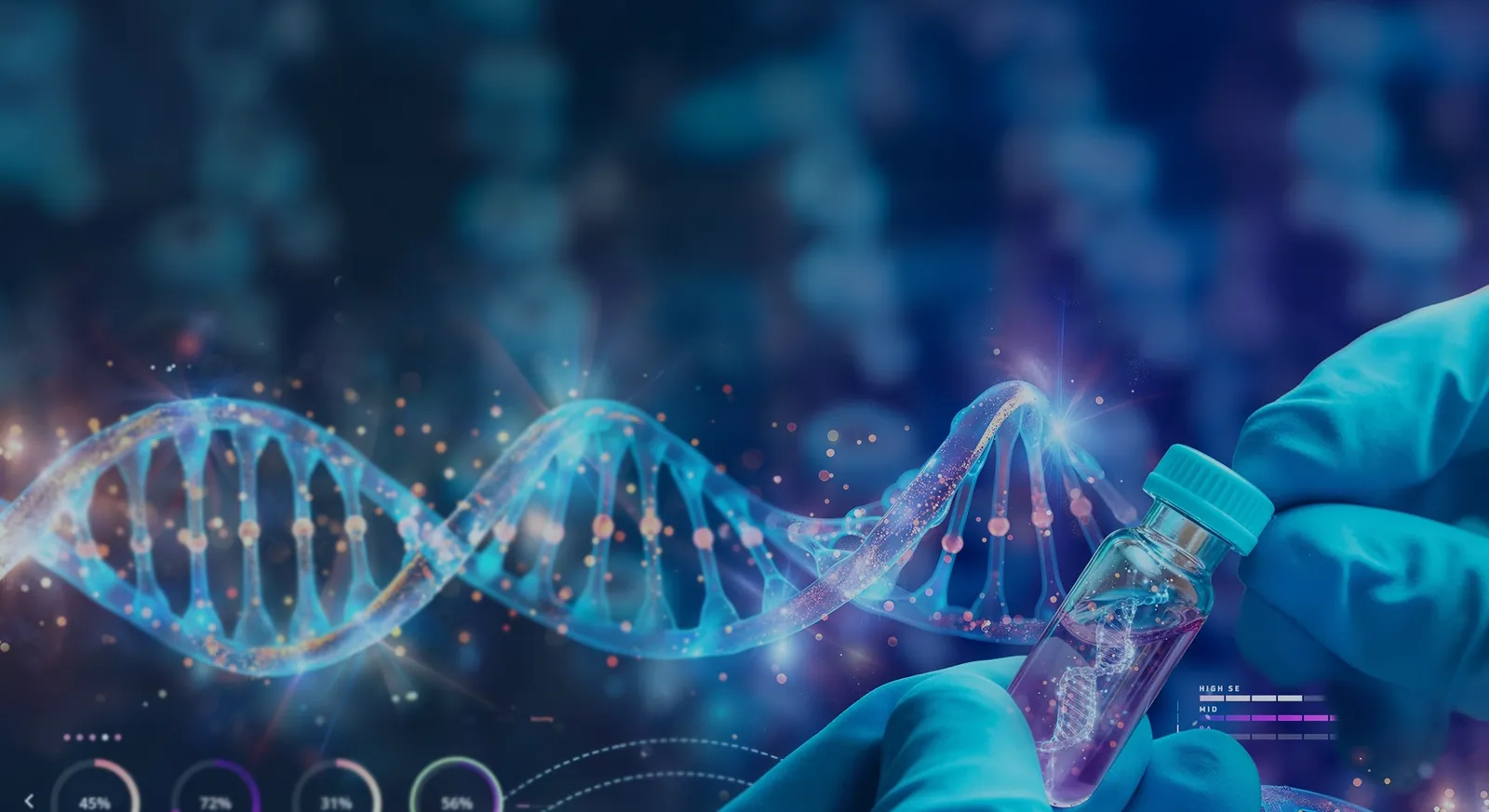
The most recent technology, NGS, allows for 99.99% accuracy in examining all 23 pairs of chromosomes, including sex chromosomes. It is the most sophisticated, enlightening, and trustworthy approach out there.
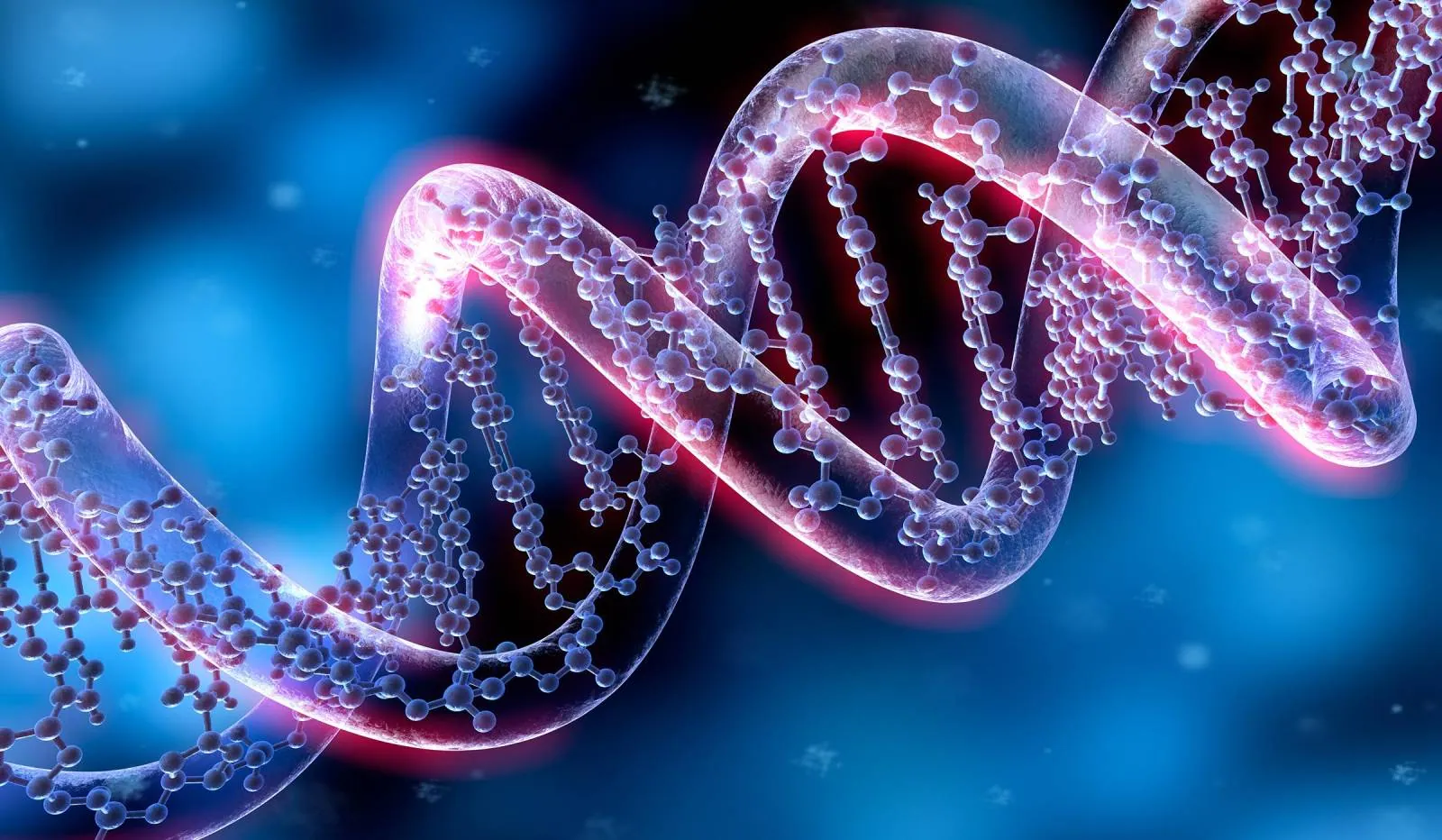
NGS, which is based on figuring out the DNA sequence, is essentially different from previous PGD techniques in that it offers a more thorough analysis of the genetic composition of the embryos. It enables experts to identify diversity in embryos, for example. Partial anomalies in the embryo’s genetic makeup are known as mosaicism, and they may result in miscarriage or the birth of a child with serious illnesses.
The Benefits of NGS in IVF
1. Increases the chances of embryo implantation and, consequently, positive outcomes
2. Reduces the risk of miscarriage
3. Decreases the likelihood of failed IVF attempts
4. Lowers the risk of children being born with chromosomal abnormalities
5. Eliminates the need for screening and diagnostic tests during pregnancy, thereby reducing the cost of pregnancy follow-up
Types of NGS Tests in IVF
Preimplantation Genetic Testing for Aneuploidy (PGT-A)
A next-generation sequencing (NGS) test called PGT-A examines embryos to check for aneuploidy, which is caused by improperly duplicated, hybridized, or twisted chromosomes. Reproductive endocrinologists can select the highest-quality embryos to transfer and increase the chances of a healthy pregnancy by identifying embryos with the appropriate number of chromosomes.
Preimplantation Genetic Testing for Monogenic Disorders (PGT-M)
A specific NGS test called PGT-M can identify single-gene diseases including sickle cell disease and cystic fibrosis. The fertility specialist can utilize this information to find, pick, and select genetically normal embryos, giving the families a chance to have a healthy child.
Preimplantation Genetic Testing for Structural Rearrangements (PGT-SR)
A type of NGS test called PGT-SR is used to find balanced chromosomal rearrangements that may impact fertility, cause miscarriages, or result in the birth of a child with a genetic defect. Fertility professionals can take part in the well-informed decision-making process on which embryos to transfer when certain structural chromosomal abnormalities are identified.
In Summary
The IVF environment has been completely changed by next-generation sequencing, which also gives fertility specialists a previously unheard-of grasp of the genetic composition of embryos, enabling them to create more individualized, effective, and successful treatment plans. Our clinic is committed to helping couples and families who want to build a family while protecting the health and safety of both parents and children by utilizing this cutting-edge technology.
If you would like to learn more about how Next-Generation Sequencing can improve your fertility journey, we invite you to schedule a Free consultation with our team of experienced fertility specialists and genetic counselors.